
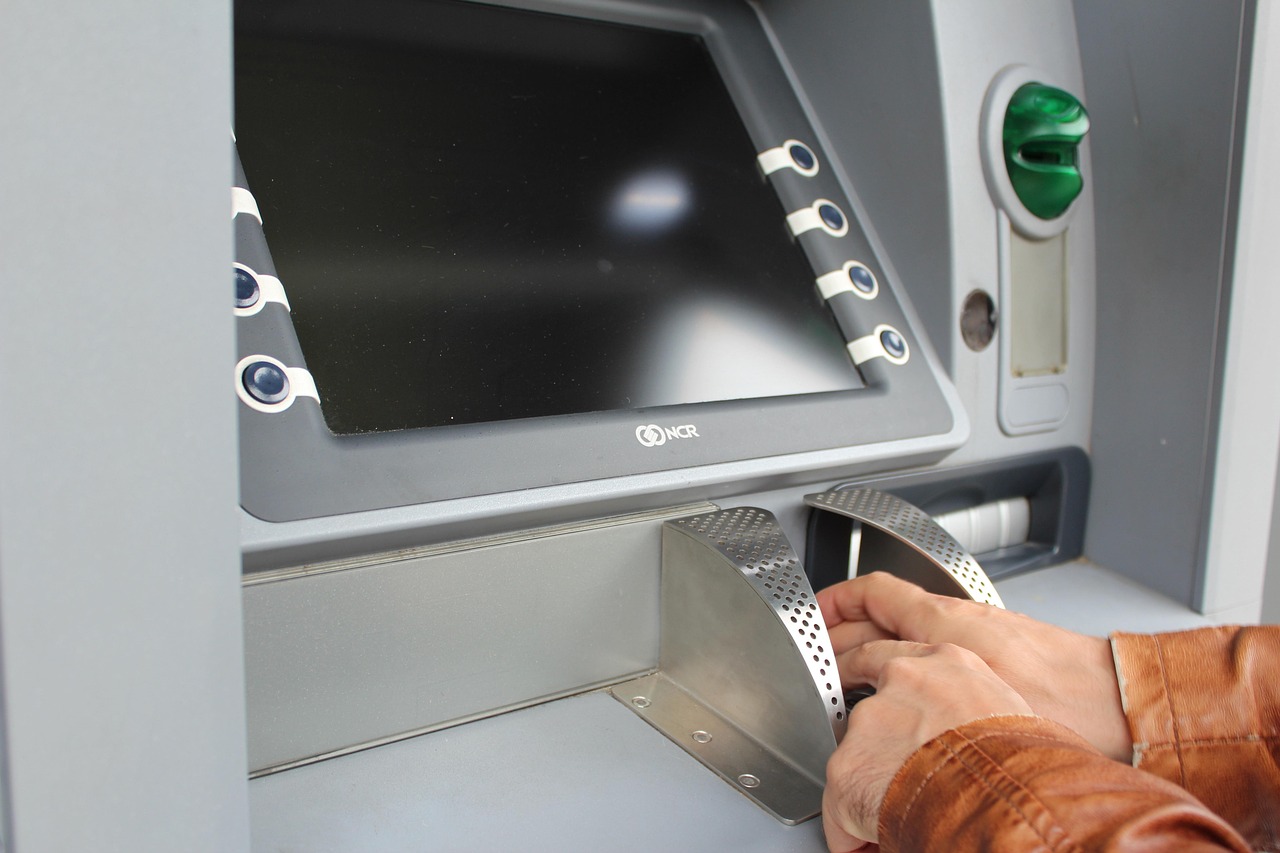
The House of Delegates passed legislation meant to better regulate the kinds of cryptocurrency kiosks that have been popping up in storefronts.
The bill passed on an 89-3 vote.

“There are legitimate uses of these kiosks. There is a tremendous abuse of these to, frankly, perpetrate fraud and scams targeting seniors,” said Delegate Bob Fehrenbacher, R-Wood.
“A senior would get a call encouraging them that there’s an urgent situation that requires immediate transfer of cash to one of these machines to either safeguard their earnings, their reserves or to transfer it to some immediate need.”
He continued, “These targeted efforts have resulted in over $300 billion nationwide to perpetrate these fraud and the vast majority of them are targeted are seniors. The licensing and regulations that are being imposed in this legislation will protect those seniors.”
H. B. 5353 is intended to better regulate the kinds of kiosks often found in convenience stores and gas stations allowing users to buy or sell cryptocurrencies using cash or debit cards. Those kiosks often have fees ranging from 5% to 15% per transaction.
A similar bill in the Senate, SB 887, got as far as the finance committee but did not make it to the floor. Sometimes when bills with the same concept are running in both chambers, the focus eventually narrows to one of them.
The legislation proposes a comprehensive legal framework to integrate virtual currency kiosks into the state’s existing money transmission laws.
The bill establishes a formal licensure process for operators, requiring them to register through national systems and adhere to strict oversight.
To protect consumers, the bill mandates detailed risk disclosures, provides daily transaction limits and requires the issuance of physical receipts for all digital currency exchanges.
And the bill introduces specific anti-fraud measures, such as identity verification and mandatory telephone consultations for older customers to prevent financial exploitation.

The bill is a priority for AARP West Virginia this year.
“They’re targeting older people, and it’s generally fraudulent activities. So that’s why these safeguards need to be in place for licensure. Right now, these kiosks aren’t regulated at all in the state of West Virginia,” Miller said on MetroNews Talkline.