
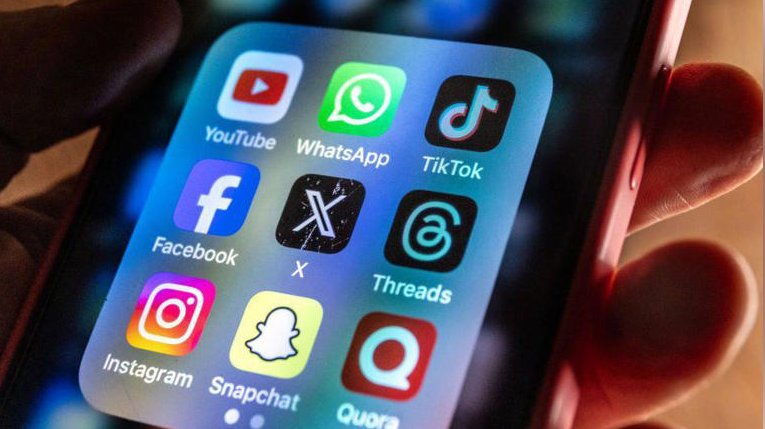
MORGANTOWN, W.Va. — Educators with the West Virginia University Reed School of Media and Communication expect to see the landscape of social media experience major changes pending the results of lawsuits active within the United States.

Associate Professor Dr. Joseph Jones said companies such as Meta and Google could be in line to potentially pay a significant financial penalty for knowingly designing addictive products. This comes about after it was announced last week that TikTok joined Snap had reached settlements as part of the lawsuit that also includes 350 families and over 250 school district.
Jones said the movement could result in federal legislation.
“That could open the door for, I mean, literally countless other trials of people who could say they were harmed by this and not just individual school districts are kind of getting in on this, that essentially social media is a public nuisance, so even state institutions and attorneys general around the country will be looking at these cases to see if they will have a lawsuit moving forward themselves,” Jones said on MetroNews “Talkline.”
Jones said the lawsuits are expected to be drawn out due to federal laws related to the level of responsibility social media sites have in regard to the content that is posted on their site.
In the lawsuits filed in California, the plaintiffs alleged that companies made open attempts to make their platforms, such as YouTube and Instagram, more appealing to children, such as adjusting algorithms to increase content focused on ‘divisive’ topics, many of which were confirmed through emails and company messages showcased as part of unsealed court documents. While aspects related to updated statutes as part of the Communications Act of 1934 that were enacted in 1996 are expected to be brought up during proceedings, Jones said that the level of responsibility will be brought into question.
“The only people who can be held accountable are the publishers, so that is social media users themselves,” said Jones. “So even advertisers, people posting on social media are the ones who can be sued for libel, what this case is saying now, and why this is so new, it’s basically saying, ‘No, maybe social media are publishers.'”
Jones said Congress could play a role in determining what reforms need to take place. One example that was brought up was the similar tactics pointed out during the lawsuits against tobacco companies back in 1998, which resulted in settlements that included changes to advertising across several media platforms. With the most recent settlements taking place less than a day after the unsealed court documents detailing the lack of concern over potential harms to children were showcased by the Tech Oversight Project earlier this week, trends are reflecting a more than likely federal reform to at least be discussed at the nation’s capital.
“I don’t think it should just be lawsuits, I think it should be public policy,” said Jones. “We’re not talking about even individual payments out to people who have been harmed individually, let’s make these social media companies invest in media literacy programs for all of the ways they’ve caused harm, let’s actually use that towards public good and not just these private payouts.”
Meta CEO Mark Zuckerberg is expected to testify as part of the lawsuit in February.
While Jones expects several pieces of information regarding social media site algorithms and marketing tactics to be placed under the proverbial microscope, he also expects that the long-term solution to the social media platforms is expected to take place over several years. Along with any potential financial blowback from social media companies that are worth trillions of dollars, the addition of 40 state attorney generals filing similar lawsuits could force federal legislation just by sheer numbers. With conversations ranging from content hosting to advertising tactics, Jones also feels that this will be a case that will be something to observe, both on a national level and for what impacts it could have on the state.
“It’s hard for anybody to be the moral police, I am certainly not the one to come along and say, this is good content, this is bad content, and I think that’s where the real issue comes in,” said Jones. “Which is why we need to have a slowdown and have a nuanced conversation about what kinds of content we are talking about.”